
Built to Last: Why Data Centres Need Durable Concrete
As demand for high-performance data centres grow, driven by cloud computing, AI, and automation, operators are rethinking facility design and resilience. One key element gaining attention is concrete durability.
Concrete may seem passive, but it plays a critical role in uptime. It supports heavy racks and servers and withstands constant movement from robotic handlers. Today’s infrastructure faces increasing physical stress.
The Hidden Cost of Weak Concrete
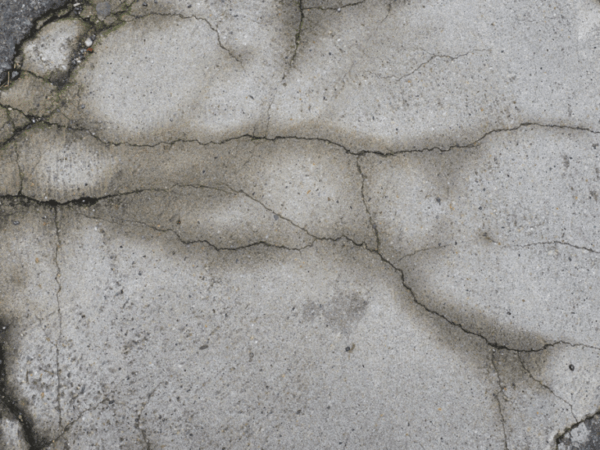
Data centre outages cost over $9,000 per minute, with major incidents exceeding $1 million per hour (Forbes). Many failures begin with small cracks or abrasions. Water seepage, even if invisible, can corrode steel reinforcement and damage insulation, leading to shutdowns and expensive repairs.
Internal cooling systems also pose risks. Data centres use millions of gallons of water daily, and leaks from pipes and conduits can accelerate concrete deterioration, especially when standard mixes are used.
Automation Increases Abrasion
Robotics introduce new wear challenges. Repetitive traffic from wheels, pallets, and autonomous vehicles can degrade untreated concrete, causing uneven surfaces, safety risks, and higher maintenance.
Hard-Cem®: Built-In Protection
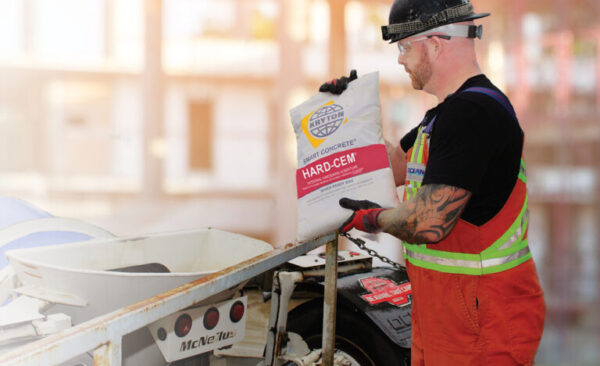
Hard-Cem®, Kryton’s integral hardener, is mixed directly into concrete to boost abrasion and erosion resistance throughout the slab. It’s ideal for:
- Robotic warehouse and server room floors
- High-traffic aisles and staging zones
- Surfaces exposed to cooling water or heavy equipment
Hard-Cem can double concrete’s wear life, reducing surface damage, joint curling, and repair costs.
Waterproofing from Within
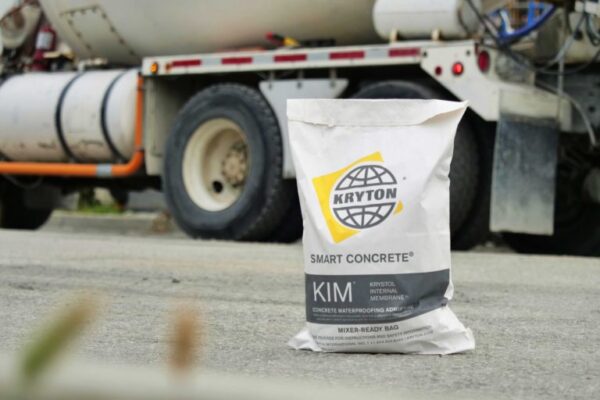
For foundations and below-grade walls, Kryton’s Krystol Internal Membrane™ (KIM®) offers built-in waterproofing. Added during batching, KIM turns concrete into a self-sealing barrier that reacts to moisture and blocks water migration.
Together, Hard-Cem and KIM create a durable, intelligent concrete system.
Why It Matters?
Data centres are expanding into areas with high water tables, seismic activity, and extreme temperatures. Concrete must do more than bear loads, it must resist moisture, erosion, and automation-related stress.
Key Benefits of Kryton’s System
- Abrasion Resistance: Protects floors from robotic and mechanical wear
- Waterproofing: No need for external membranes or coatings
- Long-Term ROI: Fewer repairs, less downtime, and better infrastructure protection
Conclusion
Concrete is now a performance-critical asset. Specifying advanced admixtures like Hard-Cem and KIM helps prevent failures, reduce risk, and ensure uptime in modern data centres.